

- 0 Comments
- Posted on 26 April 2026
On the occasion of the 30th Brahmotsavams at the Ashta Lakshmi Temple, Temple Chairman Nagamalli Sravan Kumar, Vice Chairman Vanam Yadiah, and Treasurer Dachepalli Srinivas are felicitating the temple photographer, Vanaparthi Kishan Gupta—the head of Gupta Videos.

- 0 Comments
- Posted on 24 April 2026
Chakra Theertham is a deeply revered and spiritually powerful ritual observed at the sacred Ashtalakshmi Temple, dedicated to the eight divine forms of Goddess Lakshmi, known collectively as Ashtalakshmi. This holy ceremony is associated with the Sudarshana Chakra, the divine discus of Lord Vishnu, which symbolizes protection, righteousness, and the destruction of negative energies. The ritual is considered highly auspicious and is performed with great devotion during temple festivals and special occasions.
The essence of Chakra Theertham lies in the sanctification of water through the divine presence of the Sudarshana Chakra. During the ceremony, priests perform elaborate Vedic rituals and invoke the blessings of Lord Vishnu and Goddess Lakshmi. The sacred Chakra is ceremonially immersed in a temple tank or holy water body, energizing the water with divine power. This ritual, often referred to as Chakra Snanam, is believed to purify not only the water but also the hearts and minds of devotees who witness or participate in it.
Devotees gather in large numbers to take part in this holy event, seeking spiritual cleansing and divine grace. It is believed that receiving or sprinkling the Chakra Theertham helps remove sins, ward off negative influences, and bring peace, prosperity, and good health. Many devotees consider it an opportunity to renew their spiritual connection and seek protection from the divine.
The atmosphere during Chakra Theertham is filled with devotion and serenity. The chanting of sacred mantras, the fragrance of incense, and the sight of the holy ritual create a spiritually uplifting experience. The temple premises resonate with faith and reverence as devotees offer prayers and participate in the sacred proceedings.
Beyond its spiritual importance, Chakra Theertham also reflects the deep-rooted traditions and cultural richness of temple worship. It symbolizes the eternal presence of divine energy in nature and the belief that water, when sanctified, becomes a powerful medium of grace and purification.
In essence, Chakra Theertham at the Ashtalakshmi Temple is a divine ritual that embodies purification, protection, and spiritual renewal. It invites devotees to immerse themselves in devotion, cleanse their inner selves, and receive the boundless blessings of Goddess Lakshmi and Lord Vishnu.

- 0 Comments
- Posted on 24 April 2026
Rathotsavam Mahotsavam is one of the most magnificent and eagerly awaited festivals celebrated at the sacred Ashtalakshmi Devalayam, a temple dedicated to the eight divine forms of Goddess Lakshmi, collectively known as Ashtalakshmi. Each form of Lakshmi represents a unique aspect of wealth and well-being, including prosperity, courage, knowledge, fertility, success, and overall abundance. This grand chariot festival is a vibrant expression of devotion, faith, and cultural heritage, drawing devotees from far and wide.
The highlight of the Rathotsavam is the majestic procession of the beautifully decorated temple chariot (Ratham), carrying the divine idols of Goddess Lakshmi in her various forms. Adorned with flowers, colorful fabrics, and sacred symbols, the chariot becomes a moving temple, radiating divine energy and grace. Devotees gather in large numbers to pull the chariot through the temple streets, considering it a sacred act that brings immense blessings, prosperity, and spiritual merit.
The atmosphere during the Rathotsavam Mahotsavam is filled with devotion and celebration. The chanting of Vedic hymns, the singing of devotional songs, and the rhythmic beats of traditional instruments create a spiritually uplifting environment. Priests perform special pujas and rituals, invoking the blessings of Ashtalakshmi for the well-being and prosperity of all devotees. The sight of the grand chariot procession, combined with the collective devotion of the people, creates a powerful and unforgettable spiritual experience.
This festival holds deep symbolic meaning. The chariot represents the journey of life, while the presence of the divine signifies guidance and protection along that path. Pulling the chariot is believed to symbolize surrender to the divine will and participation in a collective spiritual journey. Devotees believe that witnessing or participating in the Rathotsavam removes obstacles, fulfills desires, and brings peace, prosperity, and success.
Beyond its spiritual importance, Rathotsavam Mahotsavam also showcases the rich traditions and cultural vibrancy of temple festivals in India. The temple and surrounding areas are beautifully decorated, and the entire community comes together in celebration, reflecting unity, devotion, and shared faith.
In essence, the Rathotsavam Mahotsavam at Ashtalakshmi Devalayam is a divine celebration of prosperity, devotion, and spiritual connection. It offers devotees an opportunity to experience the blessings of the eight forms of Lakshmi and to immerse themselves in a grand festival that unites tradition, faith, and divine grace.

- 0 Comments
- Posted on 23 April 2026
Simha Vahana Seva Mahotsavam is a magnificent and spiritually significant ritual celebrated in many Hindu temples, where the deity is taken in a grand procession seated upon the Simha (lion) Vahanam. The lion, known for its strength, courage, and regal authority, symbolizes divine power and the triumph of righteousness over evil. This sacred event is an integral part of temple festivals and Brahmotsavams, drawing devotees in large numbers to witness the majestic procession and receive divine blessings.
During the Simha Vahana Seva, the idol of the Lord-often in the form of Lord Vishnu or other revered deities-is beautifully adorned with rich ornaments, silk garments, and fragrant flower garlands. The deity is then placed on the intricately decorated Simha Vahanam, representing the fearless and protective nature of the divine. As the procession moves through the temple streets, the air resonates with the chanting of Vedic hymns, devotional songs, and the rhythmic sounds of traditional instruments, creating an atmosphere of intense devotion and spiritual vibrancy.
The symbolism of the Simha Vahanam holds deep spiritual meaning. The lion represents courage, dharma (righteousness), and the destruction of negative forces. By witnessing or participating in this seva, devotees are believed to gain inner strength, overcome fears, and receive protection from adversities. It is also seen as a reminder that the divine always safeguards those who walk the path of truth and righteousness.
This Mahotsavam is not only a religious ritual but also a vibrant cultural celebration. The temple premises and surrounding streets are decorated with lights and colorful rangolis, and devotees gather with immense faith and enthusiasm. The procession becomes a visual spectacle of devotion, tradition, and community spirit, reflecting the rich heritage of temple worship in India.
Participating in the Simha Vahana Seva Mahotsavam is considered highly auspicious. Devotees offer prayers, seek blessings for courage and success, and express gratitude for divine protection. The event instills a sense of spiritual awakening and reinforces faith in the protective and powerful nature of the Lord.
In essence, Simha Vahana Seva Mahotsavam is a divine celebration that embodies strength, courage, and unwavering faith. It inspires devotees to face life’s challenges with confidence, guided by the belief that divine grace and protection are always present.
Categories
- General
- Festival
- Sravanamasa Mahotsavamulu
- Live Programs
- Swamiji Visits and Programs
- Dussehra
- Varalakshmi Vratham
- Dhanurmasam
- Brahmostavam
- Resources
Latest Post
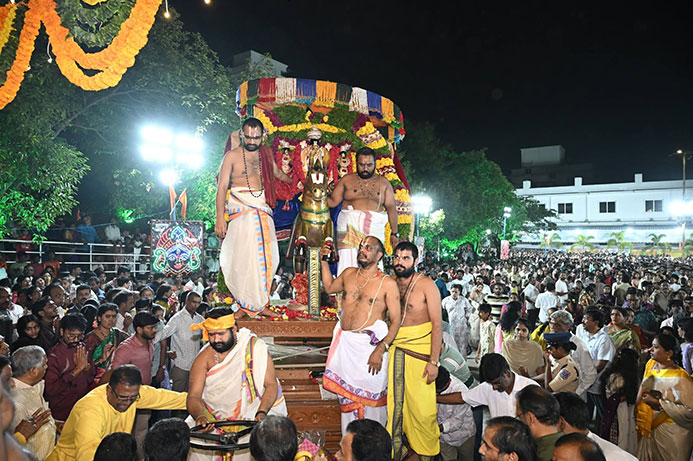
- Ashwa Vahana Seva at Ashtala.....
- 20 October 2026 0
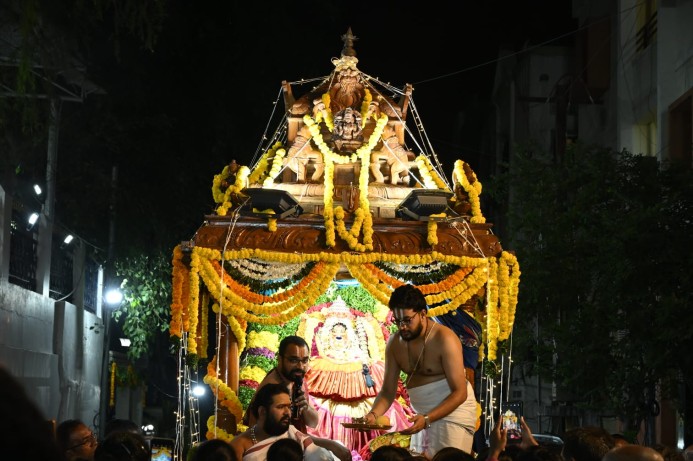
- Chinna Ratham Seva at Ashtal.....
- 19 October 2026 0
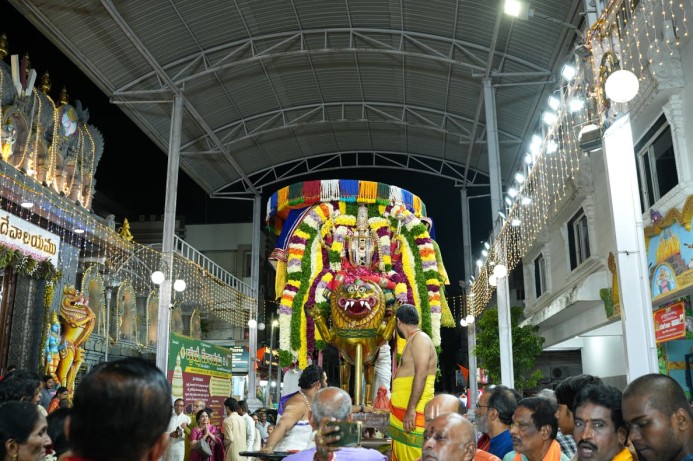
- Simha Vahana Seva at Ashtala.....
- 18 October 2026 0
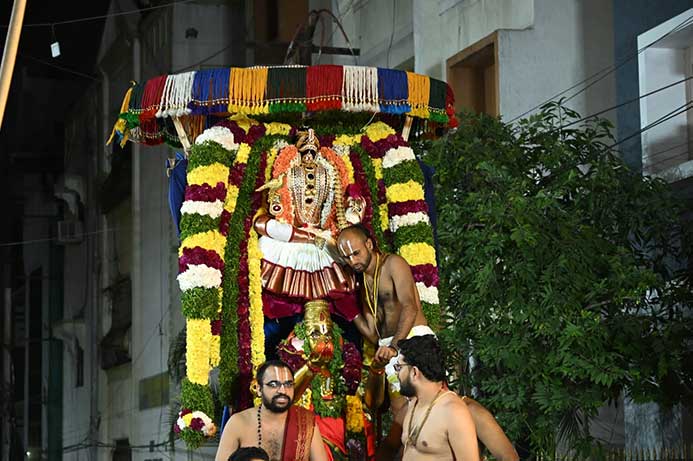
- Hanumat Vahana Seva and Mohi.....
- 17 October 2026 0
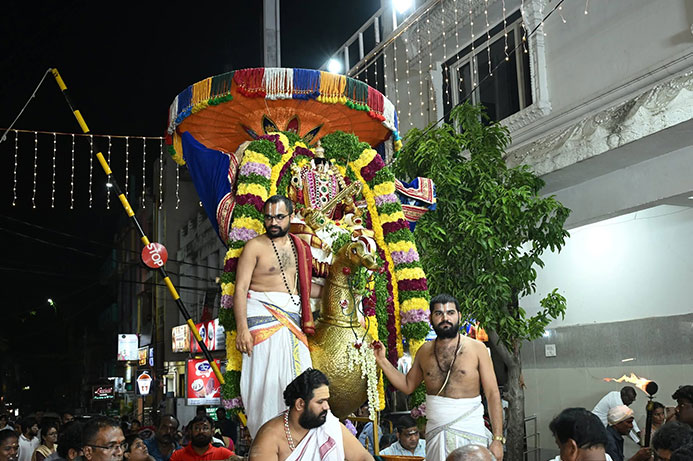
- Hamsa Vahana Seva at Ashtala.....
- 16 October 2026 0
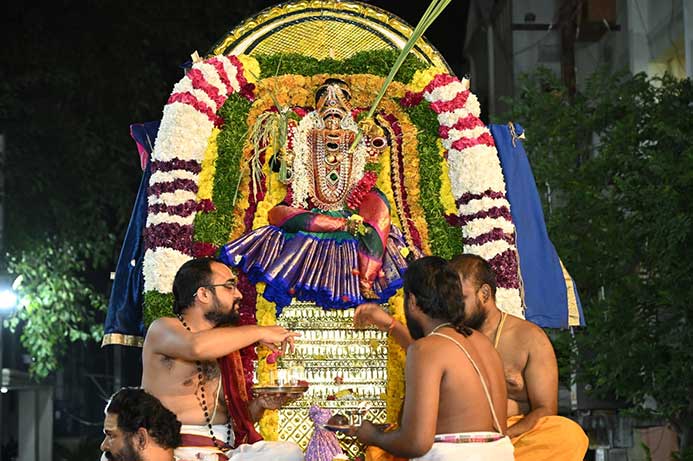
- Chandraprabha Vahana Seva | .....
- 15 October 2026 0
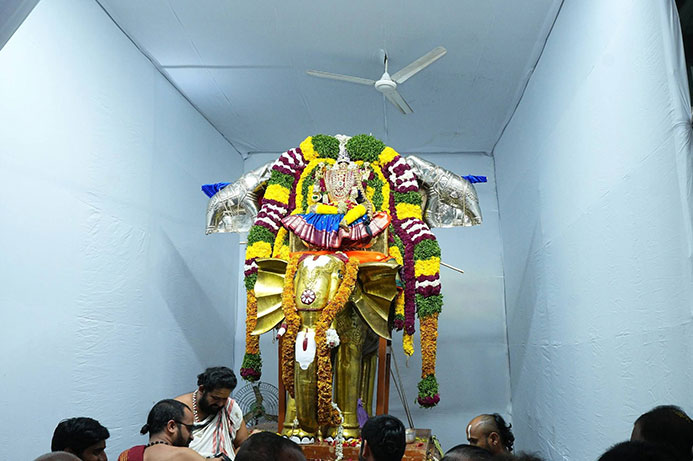
- Gaja Vahana Seva at Ashtalak.....
- 14 October 2026 0